About this service
Brushing and de-shedding help remove loose hair and reduce shedding around your home while improving your pet's groomed appearance. The amount of loose coat removed depends on your pet's breed and coat condition.
Removes loose coat
Helps clear loose hair from the coat.
Improves appearance
Leaves the coat looking neat and cared for.
Dogs and cats
Available for canine and feline family members.
What brushing and de-shedding includes
Brushing and de-shedding at Mufasa Pets Mobile Grooming is a coat-care service that removes loose hair from your pet's coat, reducing shedding around your home and improving the coat's appearance. It is performed at your home as part of a one-on-one grooming appointment, using brushes and de-shedding tools suited to your pet's coat type.
De-shedding is different from a haircut. A haircut changes the length and style of the coat, while de-shedding removes the loose hair that is already detached and ready to fall out. This is especially valuable for double-coated breeds and pets that shed heavily, where loose undercoat can build up and shed continuously around the home.
Brushing and de-shedding are included in Full Grooming and the Full Bath, and they are available as a standalone service for pets that need coat management between fuller appointments.
Why de-shedding matters
Shedding is a natural process. Hair grows, reaches the end of its growth cycle, and falls out, to be replaced by new hair. For double-coated breeds, the undercoat sheds seasonally and can produce a large volume of loose hair. De-shedding removes this loose hair efficiently, so it comes out during the grooming appointment rather than around your home over the following weeks.
Removing loose coat also helps the coat function properly. A double coat is designed to regulate temperature — the undercoat insulates, and the topcoat repels water and dirt. When loose undercoat builds up and mats together, it can interfere with this function. Removing the loose hair helps the coat do its job.
For pet owners, the practical benefit is clear: less loose hair on furniture, floors, and clothing. For the pet, the benefit is a more comfortable, lighter coat that breathes better, especially in Central Florida's warm climate.
- Removes loose hair that is ready to shed
- Reduces shedding around your home
- Helps double coats regulate temperature properly
- Leaves the coat lighter and more comfortable
- Improves the coat's overall appearance
The brushing and de-shedding process
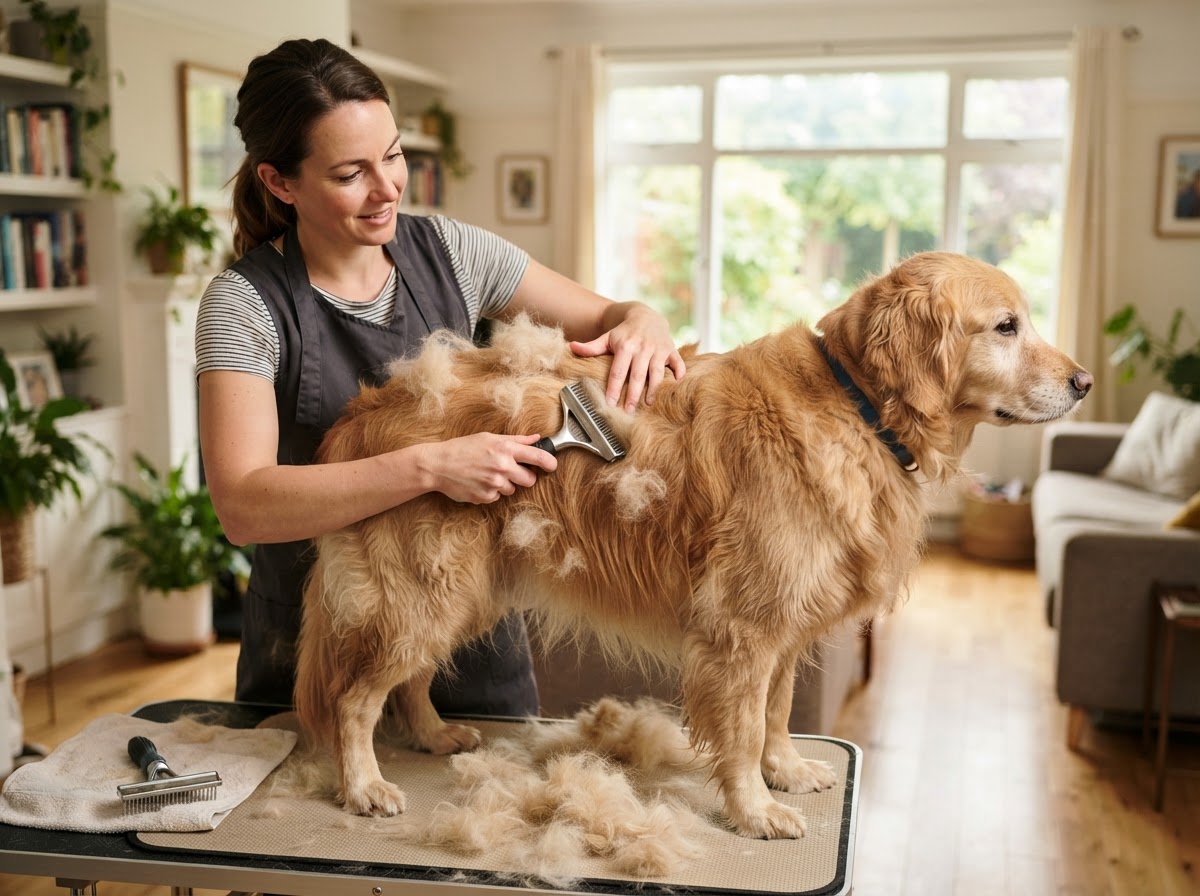
The groomer begins by assessing your pet's coat type and condition. Different coats require different tools — a slicker brush for general detangling, a comb for checking for tangles, and specialized de-shedding tools for removing loose undercoat. The groomer selects the right combination for your pet.
Brushing works through the coat section by section, removing loose hair and small tangles. For double-coated breeds, de-shedding tools reach into the undercoat to pull out the loose hair that has detached from the follicle but is still held in the coat. This is done patiently and thoroughly, working across the whole coat.
The process continues until the loose coat has been removed and the coat is smooth and tidy. For heavy shedders, a surprising amount of loose hair can come out — this is normal and is the hair that would have shed around your home over the coming weeks.
Tools and techniques used
De-shedding tools are designed to reach into the undercoat and remove loose hair without cutting the topcoat. They come in different sizes and styles, and the groomer chooses the right tool based on your pet's coat length, density, and sensitivity.
Slicker brushes help remove loose hair and small tangles from the surface of the coat. Combs check for remaining tangles and help define the coat. For coats that shed heavily, the groomer may use a combination of tools to achieve the best result.
Technique matters as much as the tools. Brushing is done in the direction of coat growth, working section by section, so the coat is thoroughly cleared of loose hair. The groomer adjusts pressure and pace based on your pet's comfort and coat sensitivity.
Double coats and de-shedding: what to know
Double-coated breeds — such as golden retrievers, Labradors, German shepherds, huskies, and many others — have a topcoat and an undercoat. The undercoat sheds, sometimes heavily, particularly during seasonal coat blows. De-shedding is especially valuable for these breeds.
It is important to note that de-shedding removes loose hair; it does not stop shedding. A double-coated dog will continue to shed as part of the natural hair growth cycle. However, regular de-shedding significantly reduces the amount of loose hair that ends up around your home.
Shaving a double coat is generally not recommended, as it can damage the coat's ability to regulate temperature and can cause the coat to grow back unevenly. De-shedding is the appropriate way to manage a heavy-shedding double coat. If you have questions about your double-coated pet, the groomer can advise.
How brushing and de-shedding fit into a grooming appointment
Brushing and de-shedding are part of the coat-care steps in a grooming appointment. They are included in Full Grooming along with the bath, haircut, blow-dry, ear cleaning, teeth cleaning, nail care, and finishing touches, and in the Full Bath along with the bath, blow-dry, nail care, and ear cleaning.
As a standalone service, brushing and de-shedding are a good option for managing a shedding coat between fuller appointments. They can be combined with a blow-dry and brushing session for a more thorough coat refresh.
If your pet is prone to tangles as well as shedding, the groomer can combine de-shedding with de-matting attention where appropriate.
How often should de-shedding be done
The right interval depends on your pet's breed, coat type, and shedding cycle. Double-coated breeds that shed heavily may benefit from de-shedding every few weeks, especially during seasonal coat blows. Single-coated breeds that shed lightly may need it less often.
Regular brushing at home between appointments helps manage loose coat and extends the benefit of a de-shedding session. The groomer can recommend the right brush for home use and an appropriate grooming schedule based on your pet's coat.
If you notice a sudden increase in shedding, it may be worth mentioning to your veterinarian, as changes in shedding can sometimes reflect health factors. Otherwise, regular de-shedding as part of a grooming routine is the best way to manage a shedding coat.
What to expect after brushing and de-shedding
After the service, your pet's coat will be smoother and lighter, with loose hair removed. You should notice less shedding around your home for a period after the appointment. For heavy shedders, the difference can be significant.
The groomer will let you know how much loose coat was removed and share any observations about your pet's coat condition — for example, if there were areas of matting or if the coat seemed particularly dry. This feedback helps you plan future grooming.
Because the service is at your home, your pet can settle immediately in their own space after the appointment, with no travel home from a salon.
Local considerations for Orlando pets
Central Florida's warm climate means many pets shed year-round rather than in distinct seasonal patterns. Double-coated breeds in Orlando may not experience the dramatic seasonal coat blows seen in cooler climates, but they still shed continuously, making regular de-shedding valuable throughout the year.
Humidity can also affect how a coat feels and how loose hair behaves. Regular de-shedding helps keep the coat comfortable and manageable in Florida's climate.
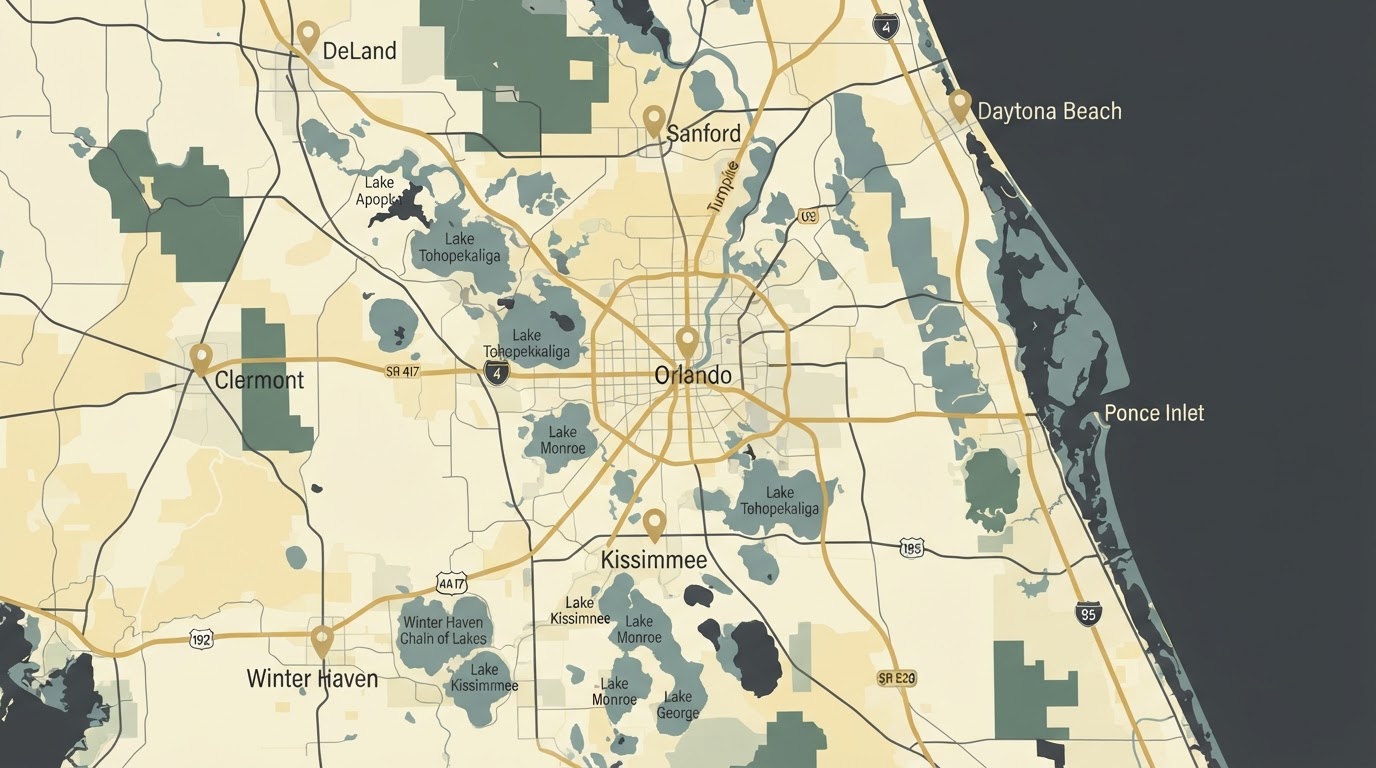
Mufasa serves Orlando and surrounding communities. You can confirm your service area by contacting the team. Because the service is mobile, brushing and de-shedding are performed at your home as part of a one-on-one grooming appointment.
Pricing and how to book
Brushing and de-shedding are included in Full Grooming at $75 and in the Full Bath. For a standalone de-shedding session, contact Mufasa to discuss availability.
To book, complete the appointment request form or call (407) 800-3103. Share your pet's details and your service address. Your appointment is not confirmed until the Mufasa team responds.
You can also explore the full list of services to see how de-shedding fits with other grooming options for your pet.
Understanding the shedding cycle
Shedding is a natural and continuous process for most pets. Hair grows in a cycle: it grows, rests, and then falls out to be replaced by new hair. For single-coated breeds, this cycle is relatively even throughout the year, producing a steady, moderate level of shedding. For double-coated breeds, the cycle includes seasonal periods of heavier shedding, often called coat blows, when a large volume of undercoat is shed at once.
De-shedding does not change this cycle. It removes the hair that has already detached from the follicle and is ready to fall out but is still held within the coat. By removing this loose hair during a grooming appointment, de-shedding significantly reduces the amount of hair that would otherwise shed around your home over the following days and weeks.
Understanding this helps set realistic expectations. De-shedding is a management tool, not a cure for shedding. Regular de-shedding as part of a grooming routine keeps loose coat under control and reduces shedding in your home, but your pet will continue to shed as part of their natural hair cycle. This is healthy and normal.
- Shedding is a natural hair growth cycle
- Single-coated breeds shed steadily year-round
- Double-coated breeds shed heavily during seasonal coat blows
- De-shedding removes already-detached loose hair
- Regular de-shedding manages shedding but does not stop it
Home brushing to extend de-shedding results
Regular brushing at home is the best way to extend the results of a professional de-shedding session. Between appointments, loose hair continues to accumulate in the coat, and brushing removes it before it sheds around your home. For double-coated breeds, brushing several times a week — and daily during seasonal coat blows — makes a significant difference.
The right brush matters. For double-coated breeds, a combination of an undercoat rake or de-shedding tool and a slicker brush is often effective. For single-coated breeds, a slicker brush or rubber curry brush removes loose hair effectively. The groomer can recommend the right tools for your pet's specific coat and demonstrate the proper technique.
Consistency is key. A few minutes of brushing several times a week is more effective than a long, infrequent brushing session, and it is easier on your pet. Combined with regular professional de-shedding as part of a grooming routine, home brushing keeps loose coat under control and your home cleaner. The brushing and de-shedding service at Mufasa complements this home care perfectly.
De-shedding and coat health
De-shedding supports coat health as well as cleanliness. A double coat is designed to regulate temperature — the undercoat insulates against heat and cold, and the topcoat repels water and dirt. When loose undercoat builds up and mats together, it can interfere with this natural temperature regulation and trap debris against the skin.
By removing loose undercoat, de-shedding helps the coat function as it should. The remaining coat breathes better, which is especially valuable in Central Florida's warm, humid climate where a heavy, matted undercoat can make a pet uncomfortably warm. A well-maintained coat is more comfortable and healthier than one burdened with loose, matted hair.
It is important to note that de-shedding removes loose hair only — it does not cut or damage the topcoat. The groomer uses tools designed to reach into the undercoat and remove loose hair without cutting the guard hairs. This preserves the coat's structure and function while managing shedding. For coats that also have tangles, the groomer can combine de-shedding with de-matting attention where appropriate.
- Loose undercoat can interfere with temperature regulation
- De-shedding helps the coat breathe and function properly
- Especially valuable in Central Florida's warm climate
- De-shedding removes loose hair without cutting the topcoat
- Preserves the coat's structure and function
De-shedding for cats
Cats can also benefit from brushing and de-shedding, particularly long-haired and double-coated breeds. Cats shed as part of their natural hair cycle, and loose hair in the coat can contribute to hairballs if the cat ingests it during self-grooming. Regular brushing removes loose hair before the cat can ingest it, which can help reduce hairballs.
For long-haired cats — such as Persians and Maine Coons — regular brushing and de-shedding also help prevent matting, since loose hair in a long coat can tangle and form mats. The groomer uses gentle, cat-appropriate tools and works at a pace that suits your individual cat, since many cats are sensitive about being brushed.
As with dogs, de-shedding for cats does not stop shedding — it manages loose hair. Regular brushing at home between appointments extends the benefit. The groomer can recommend the right brush for your cat's coat type and demonstrate the technique. For cats that also need tangle attention, de-shedding can be combined with de-matting care.
What to share when booking
When you request an appointment for brushing and de-shedding, it helps to share information about your pet's coat. If your pet is a double-coated breed, sheds heavily, or has a long coat prone to tangles, mention these details so the groomer can prepare the right tools and approach.
If your pet is anxious about brushing or has sensitive skin, let the team know. The groomer can plan a gentle, patient approach and work at your pet's pace. The one-on-one mobile setting is ideal for pets that need a calm, unrushed approach to coat care.
If you are unsure how often your pet needs de-shedding, the groomer can advise based on your pet's breed, coat type, and shedding cycle. For a thorough coat refresh, de-shedding combines well with a blow-dry and brushing session or a professional bath. See all options on the services page.
Frequently asked questions
Will de-shedding stop my pet from shedding?+
No. De-shedding removes loose hair that is ready to shed, reducing shedding around your home, but it does not stop the natural shedding process. Regular de-shedding helps manage it.
Is brushing included in Full Grooming?+
Yes. Brushing is part of Full Grooming ($75) and the Full Bath.
Can I request de-shedding on its own?+
Yes. Contact Mufasa to request brushing and de-shedding as an individual service.
Should I shave my double-coated dog?+
Shaving a double coat is generally not recommended, as it can damage the coat's ability to regulate temperature. De-shedding is the appropriate way to manage a heavy-shedding double coat.
How often should de-shedding be done?+
Double-coated breeds that shed heavily may benefit from de-shedding every few weeks, especially during seasonal coat blows. The groomer can recommend a schedule based on your pet's coat.
How much hair will come out?+
For heavy shedders, a significant amount of loose hair can come out. This is normal — it is the hair that would have shed around your home over the coming weeks.