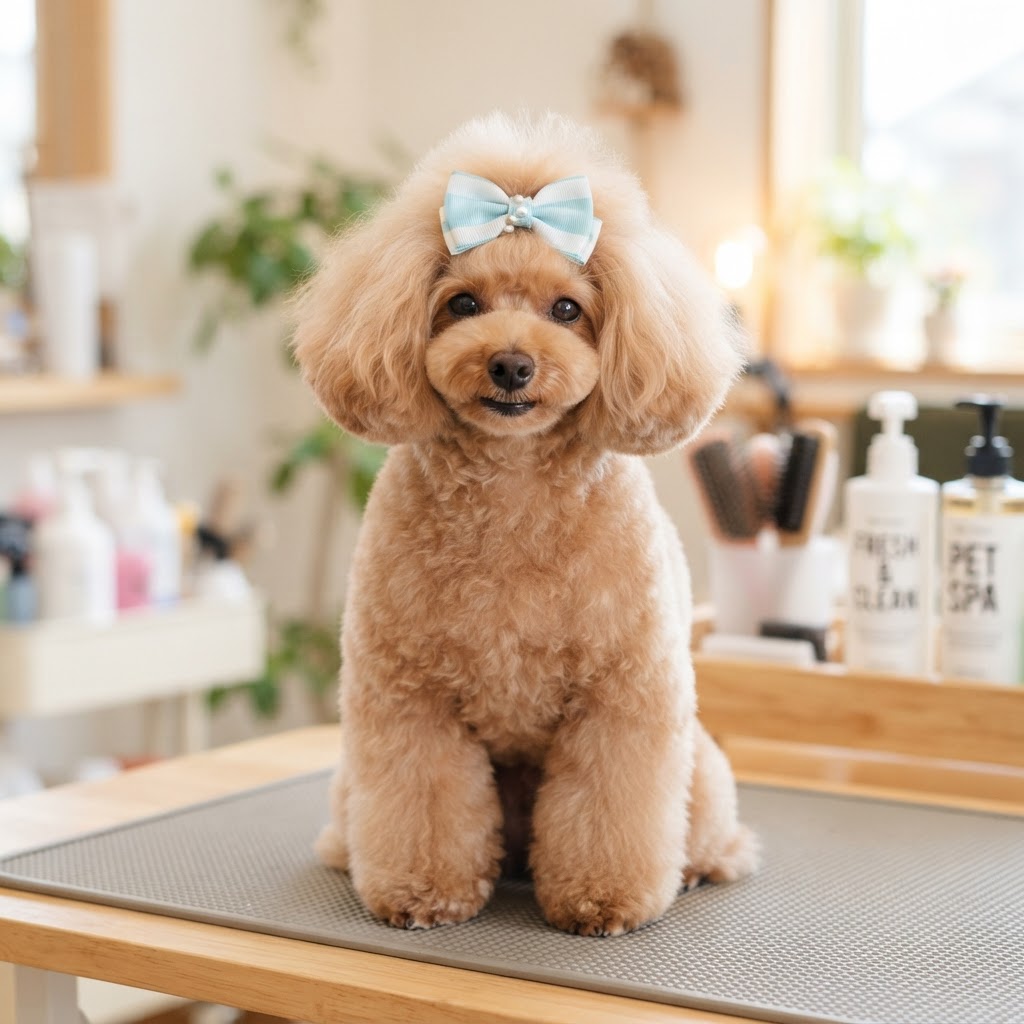
Handmade pet clothing can be a fun way to express your pet's personality and provide comfort in certain situations. When choosing clothing for your pet, the most important considerations are comfort, fit, movement, temperature, and supervision. This guide explains what to consider so you can choose clothing that is appropriate and safe for your pet.
Pet clothing is a specialty item, not a necessity for most pets. It pairs with the guide comparing decorative outfits to everyday clothing and the guide to measuring your pet for clothing.
Comfort comes first
The most important consideration is your pet's comfort. Clothing should not restrict movement, rub against the skin, or cause distress. If your pet seems uncomfortable, tries to remove the clothing, or behaves differently while wearing it, the clothing may not be a good fit. Always prioritize your pet's comfort over the appearance of the outfit.
Some pets tolerate clothing well, while others find it stressful. If your pet is not used to wearing clothing, introduce it gradually and observe their response. Never force a pet to wear clothing if they are clearly distressed. The goal is for the clothing to be a positive, comfortable experience.
Fit and movement
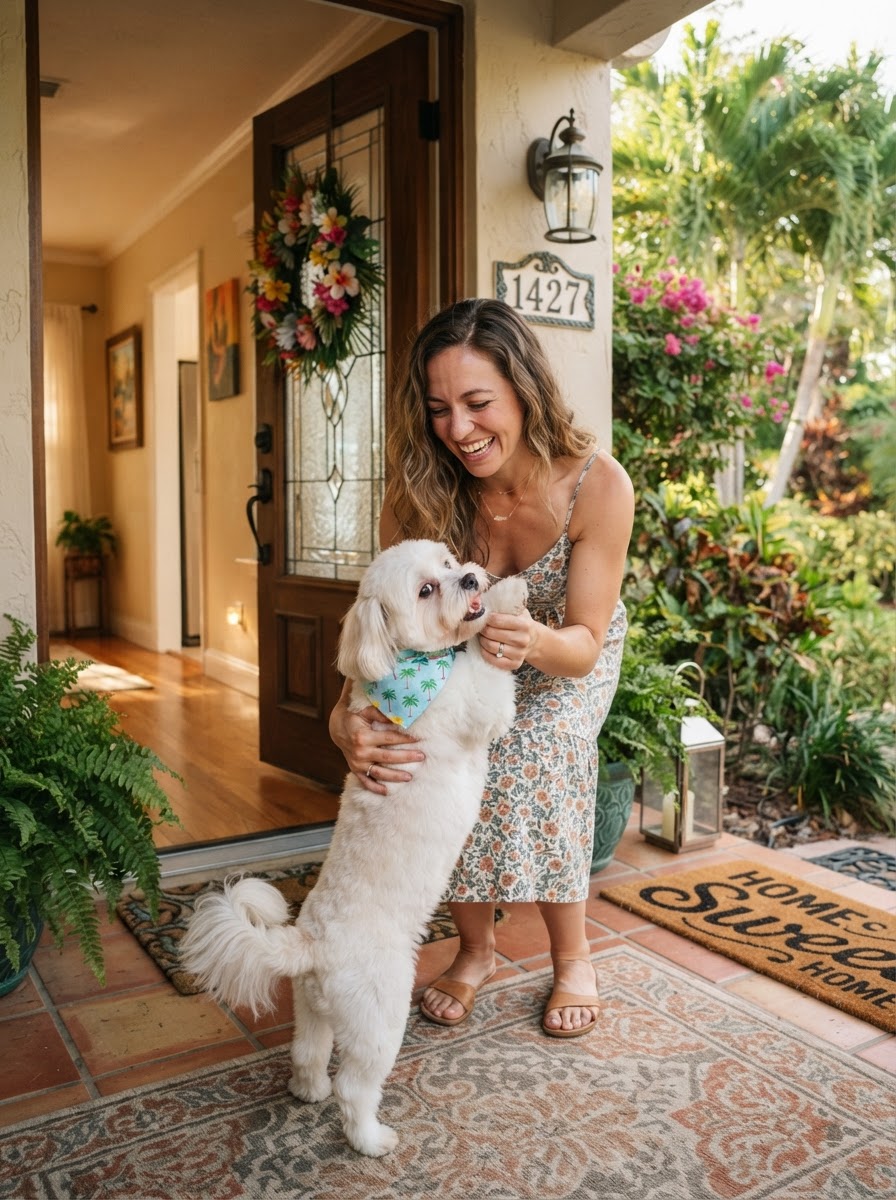
Proper fit is essential for comfort and safety. Clothing that is too tight can restrict movement and breathing, while clothing that is too loose can catch on objects or trip the pet. The clothing should allow full range of motion in the legs, neck, and body, so the pet can walk, sit, and lie down normally.
Accurate measurements are the key to a good fit. The guide to measuring your pet for clothing covers how to measure and describe your pet for a clothing request. Sharing accurate measurements helps ensure the clothing fits properly and is comfortable for your pet to wear.
Fit checklist
- The neck opening allows comfortable breathing and swallowing
- The leg openings allow full range of motion
- The body of the clothing is snug but not tight
- The pet can walk, sit, and lie down normally
- There are no loose parts that could catch on objects
Temperature considerations
Temperature is an important consideration, because clothing affects how your pet regulates body heat. Most pets do not need clothing for warmth, because their coats provide natural insulation. However, in certain situations, such as very cold weather or for pets with thin coats, clothing may provide additional comfort.
Be cautious about overheating. Pets cannot sweat the way humans do, and clothing can trap heat, especially in warm climates like Central Florida. Avoid dressing your pet in heavy clothing in warm weather, and always monitor for signs of overheating. If your pet seems too warm, remove the clothing.
Watch for overheating
Most pets do not need clothing for warmth, and clothing can trap heat. In warm climates, be especially cautious about overheating. If your pet seems too warm, remove the clothing immediately.
Supervision
Pets should be supervised while wearing clothing. A pet may chew on the clothing, get it caught on an object, or become entangled. Supervision ensures that any issues are caught quickly and the clothing can be removed if needed. Do not leave clothing on an unsupervised pet, especially overnight or when you are away from home.
Supervision is especially important for pets that are not used to wearing clothing. They may be more likely to chew or try to remove the clothing, and they need time to adjust. By supervising, you can ensure the clothing is a safe and positive experience.
Intended use
Consider the intended use of the clothing. Decorative outfits for special occasions may be different from everyday clothing meant for regular wear. The guide comparing decorative outfits to everyday clothing covers the differences in detail. Choose clothing that is appropriate for how you plan to use it.
For occasional use, such as a photo or a special event, a decorative outfit may be fine for a short period with supervision. For more regular use, everyday clothing designed for comfort and durability is a better choice. The intended use should guide your selection.
What to ask about
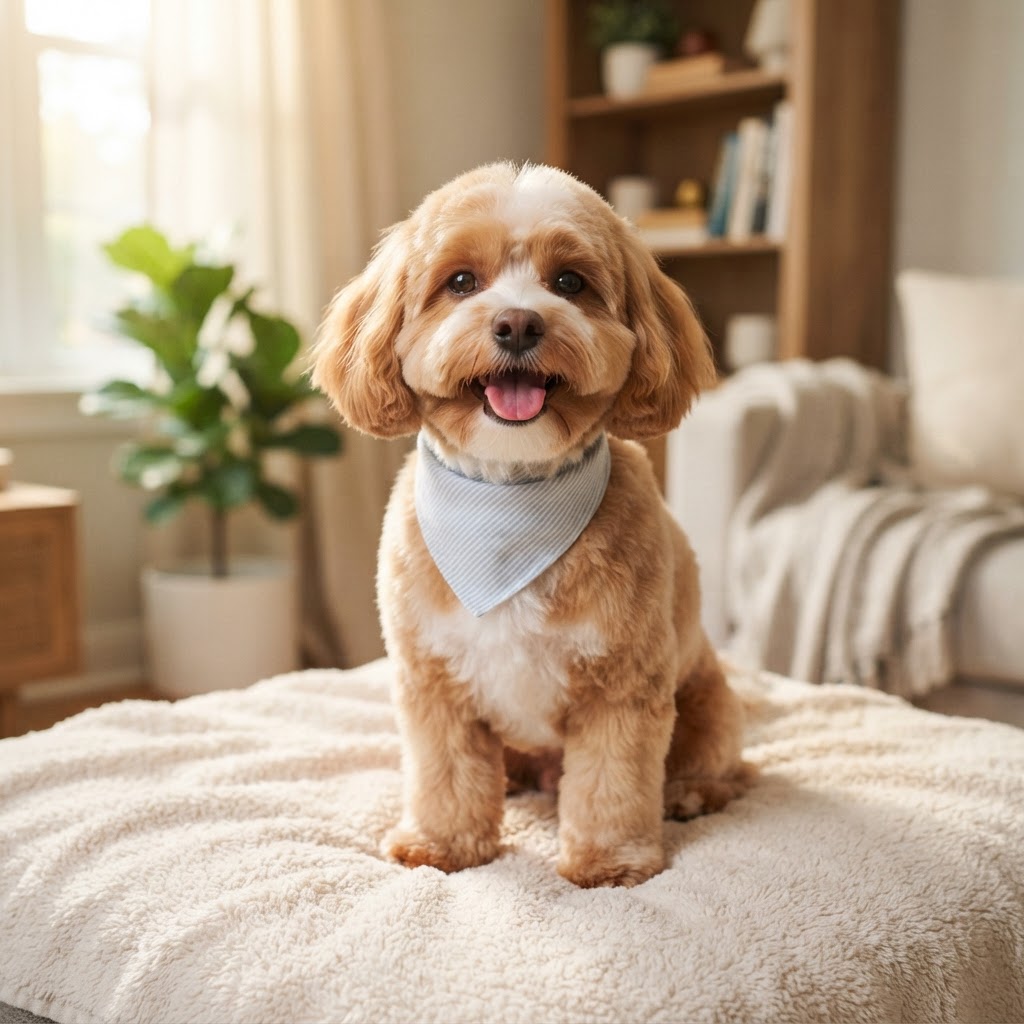
When considering handmade pet clothing, ask about the materials, the fit, and how to care for the clothing. Understanding the materials helps you assess whether they are appropriate for your pet, especially if your pet has sensitivities. Ask about care instructions, because handmade clothing may require specific cleaning methods.
Mufasa offers handmade pet clothing as a specialty item. For details about availability, materials, and how to request clothing for your pet, contact Mufasa and ask about pet clothing. The team can help you understand what is available and guide you through the process.
Choosing with your pet in mind
Every pet is different, and what works for one may not work for another. Consider your pet's temperament, coat type, size, and tolerance for wearing clothing. A pet that is calm and comfortable with handling may adapt to clothing more easily than a pet that is sensitive or easily stressed.
By keeping comfort, fit, movement, temperature, and supervision in mind, you can choose handmade pet clothing that is appropriate and safe for your pet. Whether for a special occasion or everyday use, the goal is a positive experience for your pet. You can start the conversation when you request a mobile grooming appointment.
This article provides general pet-grooming information. Appropriate grooming methods depend on the individual pet, coat condition, temperament, health, and requested service. Confirm service suitability and preparation instructions with Mufasa Pets Mobile Grooming. Contact a veterinarian regarding medical, dental, skin, ear, or behavioral health concerns.
Frequently Asked Questions
What should I consider when choosing pet clothing?+
Consider comfort, fit, movement, temperature, supervision, and intended use. The clothing should not restrict movement, cause distress, or trap heat. Always prioritize your pet's comfort and supervise them while wearing clothing.
Do all pets need clothing?+
No. Most pets do not need clothing, because their coats provide natural insulation. Clothing may provide additional comfort in certain situations, such as very cold weather or for pets with thin coats, but it is a specialty item, not a necessity.
How do I ensure the clothing fits properly?+
Accurate measurements are key to a good fit. The clothing should allow full range of motion in the legs, neck, and body, and the pet should be able to walk, sit, and lie down normally. Share accurate measurements when requesting clothing.
Can clothing cause my pet to overheat?+
Yes. Pets cannot regulate heat the way humans do, and clothing can trap heat. Be especially cautious in warm climates. Avoid heavy clothing in warm weather, and remove the clothing if your pet seems too warm.
Should I supervise my pet while they wear clothing?+
Yes. Pets should be supervised while wearing clothing, because they may chew on it, get it caught, or become entangled. Do not leave clothing on an unsupervised pet, especially overnight or when you are away.
What is the difference between decorative and everyday clothing?+
Decorative outfits are for special occasions and short periods, while everyday clothing is designed for regular wear with comfort and durability. The intended use should guide your selection.
How do I find out about handmade pet clothing from Mufasa?+
Contact Mufasa and ask about pet clothing. The team can help you understand what is available, including materials and how to request clothing for your pet. You can start the conversation when you request a mobile grooming appointment.
Request a Mobile Grooming Appointment
We come to your home throughout Central Florida.